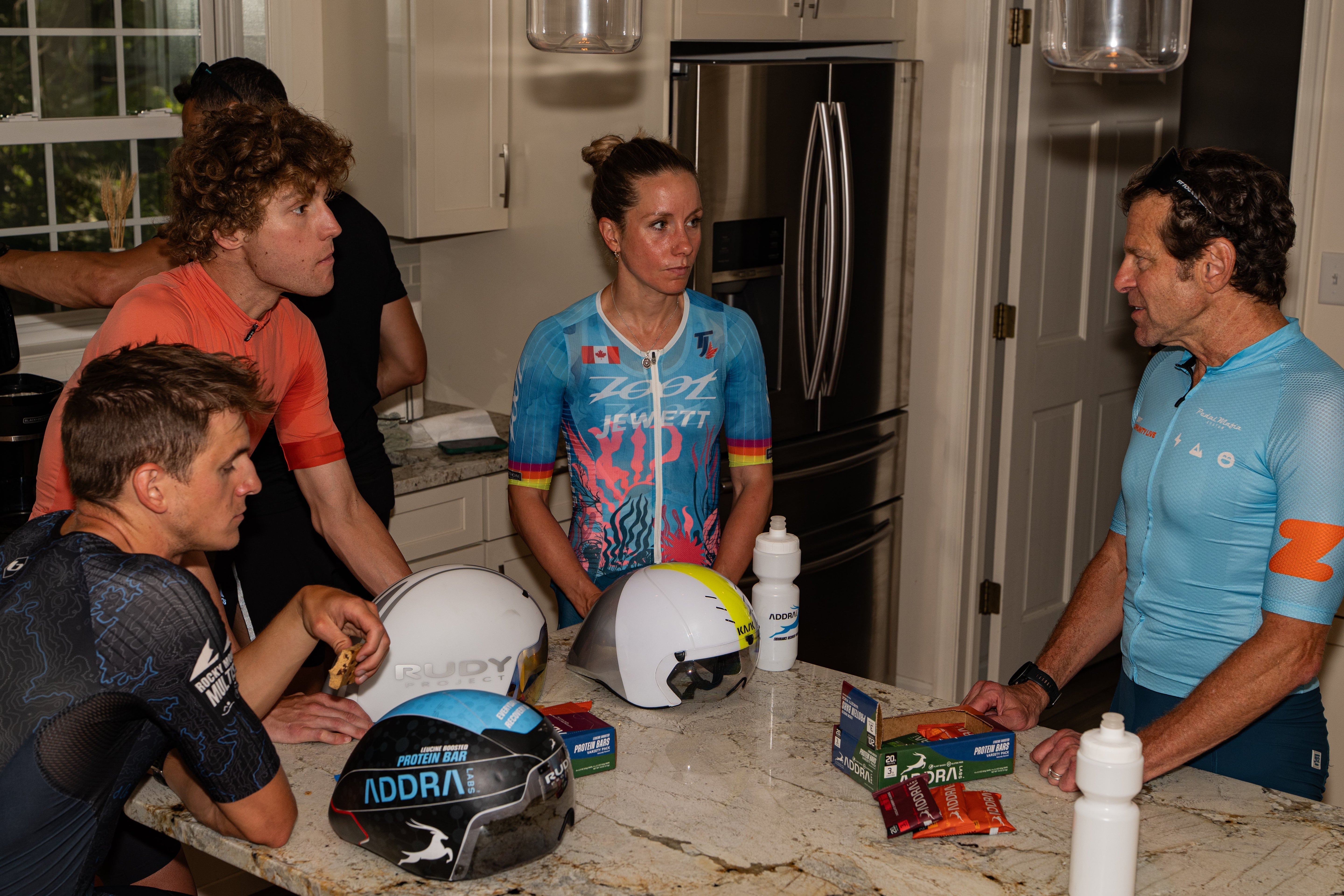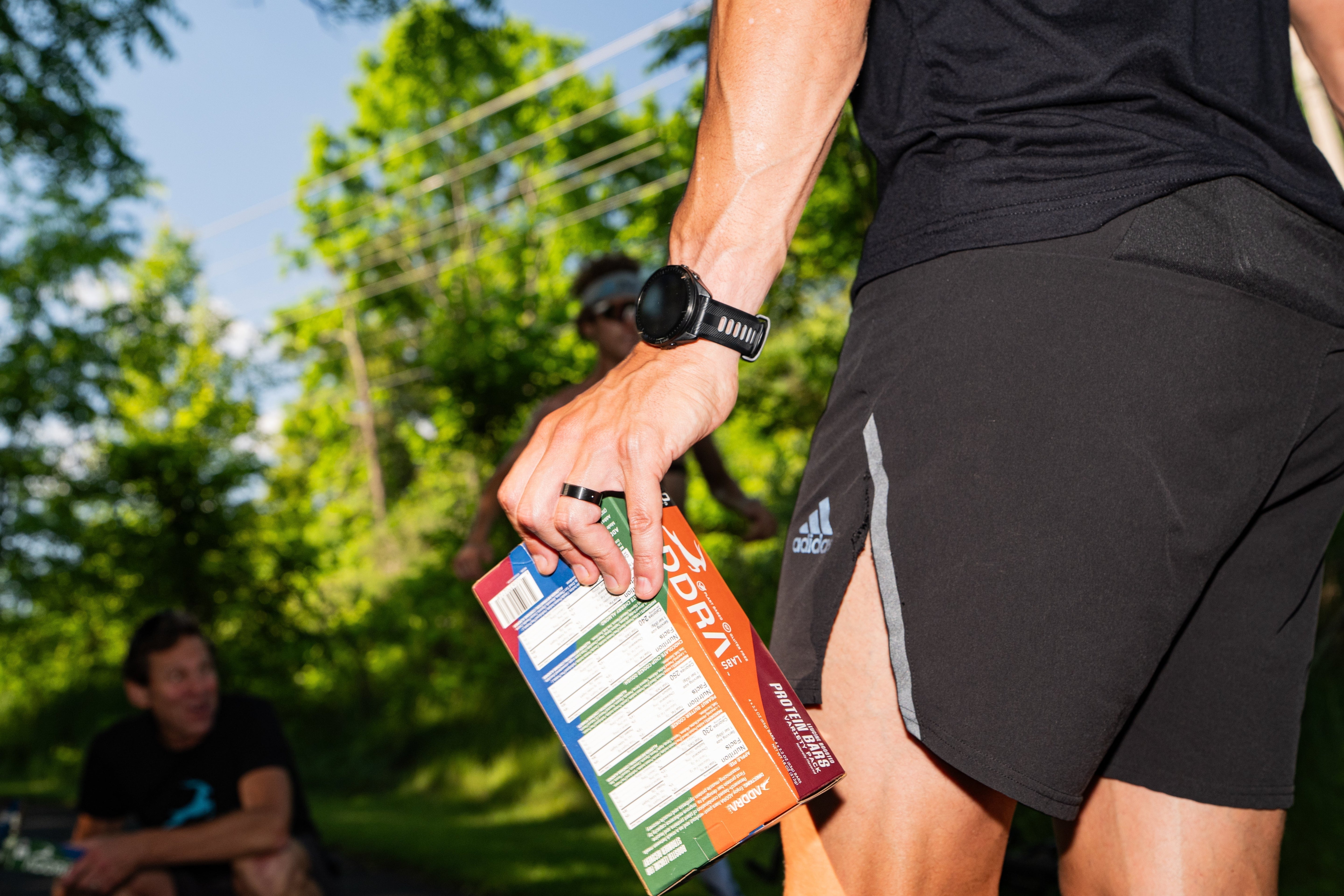
You know what time it is...
That usually means the calendar is packed. Long rides become race simulations with 4x20' @ "race watts" (I know you know what I'm talking about). Brick workouts become longer, travel starts filling weekends. Recovery days somehow become errands, airport security lines, and catching up on work.
Training gets more...intentional.
Recovery...often gets s-q-u-e-e-z-e-d.
And that's the irony. The harder your training becomes, the more valuable recovery becomes—not because you're getting weaker, but because you're asking your body to adapt to more stress with the exact same 24 hours in the day.
The question isn't whether you're training hard enough, but whether you're recovering well enough to actually benefit from it.
Training Creates Stress, while Recovery Creates Adaptation.
One of the biggest misconceptions in endurance sport is that fitness comes directly from training, which - shocker - it doesn't.
Training provides the stimulus.
Recovery is where adaptation actually occurs.
That's when glycogen stores are replenished. It's when damaged muscle proteins are repaired and remodeled. It's when your body decides, "Next time this happens, I'll be better prepared."
Without recovery, the workout still happened, but the adaptation (the entire goal of why you did that workout) may not.
The Race Season Trap
Race season creates an interesting problem - we're often training more, racing more, traveling more, and trying to fit everything into an already busy schedule.
Recovery is usually the first thing athletes sacrifice - not intentionally, but because it feels easy to postpone. Breakfast gets delayed (gotta get to that first meeting!), post-workout nutrition turns into lunch three hours later, and rest days become "eat whatever" days because the training wasn't particularly demanding.
None of those decisions feel significant on their own, but, collectively, they can become the difference between adapting and simply accumulating fatigue.
Recovery Isn't Just About Carbohydrates
For endurance athletes, carbohydrates rightly receive most of the attention.
They replenish glycogen.
They support performance.
They're essential.
But they're only one part of the recovery picture. Your body also needs fluid and electrolytes to restore hydration, along with high-quality protein to provide the amino acids required for muscle repair and remodeling. Think of it this way:
Carbohydrates refill the tank.
Protein rebuilds the engine.
You need both to be a thriving, successful person and athlete.
Timing Doesn't Have to Be Perfect
Recovery nutrition sometimes gets presented as if every gram has to arrive within a tiny metabolic window. Fortunately, that's not how real life works. Maybe you're still packing your bike into the car after a race. Maybe you're driving home from the trailhead. Maybe you're standing in line for an airport burrito after a training camp weekend (been there). Recovery doesn't suddenly disappear because your shaker bottle wasn't in your hand exactly 17 minutes after finishing.
In sum, you don't need to panic if your recovery meal happens 45 minutes instead of 20 minutes after training.
But waiting half the day after a demanding session before consuming meaningful protein probably isn't doing your recovery many favors either. Consistency beats perfection.
Showing up day after day with good recovery habits will almost always outperform chasing perfect timing once in a while.
Recovery Doesn't Stop on Rest Days
This may be one of the easiest habits for athletes to overlook - we've all been there, too. But, rest days aren't days when your body stops adapting.
They're often the days when much of that rebuilding is taking place. That means protein intake shouldn't disappear simply because today's workout was easy—or because there wasn't a workout at all.
The goal isn't to match your training stress, but to continue supporting the recovery process that's already underway.
Small Habits Win Long Seasons
The athletes who recover best during race season usually aren't doing anything extraordinary.
They're simply consistent. Think of some of the best pro triathletes in the world - the Jelle's, Hayden Wilde's, Martin Van Riel's of the world - they're showing up, with consistent measure and poise, to every session and nutritional window.
Protein with breakfast.
Protein after demanding sessions.
Protein is spread throughout the day.
Protein on rest days.
Simple habits repeated over months almost always outperform complicated recovery plans that only happen occasionally.
The Goal? Not to Feel Perfect, but Consistent.
Recovery isn't about feeling fresh every morning. Hard training should make you tired- the goal is something much simpler.
Absorb today's training.
Show up tomorrow.
Repeat. Over, and over, and over again - which puts us on a collision course with bumps in fitness, new goals, and even more exciting opportunities.
Because, as we've been alluding to, race season isn't the time to under-recover. It's the time to make every training session count.