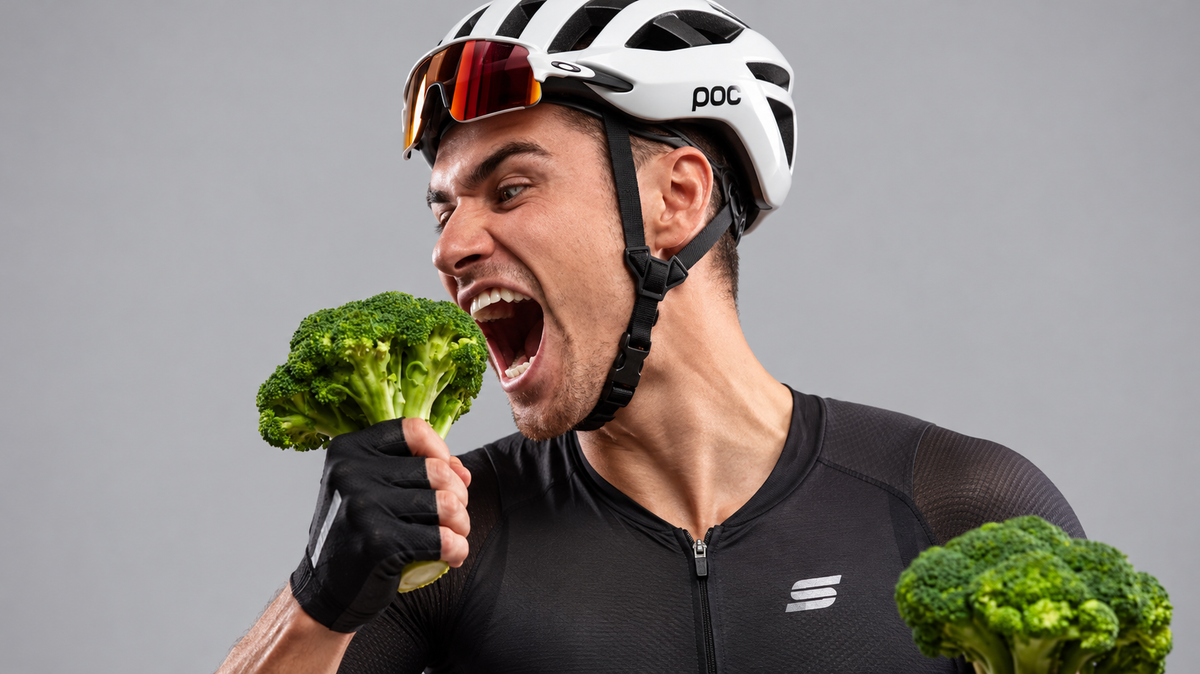
Recovery boots, massage guns, cold plunges and red-light therapy promise to help athletes bounce back faster. But what does the science actually say about improving performance?
Recovery has become an industry of its own.
Walk through a professional athlete's training facility, scroll through Instagram or browse the latest endurance gear, and you'll encounter an endless lineup of products promising faster recovery: pneumatic compression boots, percussion massage guns, red-light panels, ice baths, electrical stimulation devices and an ever-growing collection of supplements.
Some of these tools have legitimate benefits. Others have considerably less evidence behind them than their marketing might suggest.
But here's the question that matters most:
Are these recovery methods actually making athletes faster, or are they simply making athletes feel better?
The distinction is important. Reduced soreness, improved comfort and better perceptions of recovery can be valuable. However, those outcomes aren't interchangeable with improved endurance, greater training adaptations or faster race-day performances.
This week's Science Wednesday examines the recovery hierarchy — from nutrition and sleep to heat exposure, massage, compression, technology and supplements — and what the research suggests athletes should prioritize.
The Upside-Down Recovery Pyramid
There's an interesting contradiction in endurance sports.
The recovery strategies that attract the most attention aren't necessarily the ones supported by the strongest evidence.
Athletes will invest hundreds of dollars in compression boots or cold plunges while consistently falling short on sleep, carbohydrate intake or hydration.
The problem isn't necessarily the gadgets. It's the order of operations.
Before investing in specialized recovery technology, athletes should establish the foundations that support repeated training and adaptation.
And those foundations begin with nutrition.
1. Nutrition: Fuel the Recovery Process
Training creates the stimulus for adaptation. Nutrition provides the resources needed to respond.
Three considerations deserve particular attention: carbohydrates, protein and hydration.
Carbohydrates: Replenish glycogen when recovery time is limited.
For athletes completing multiple demanding sessions in a day, restoring muscle glycogen becomes a priority.
Sports nutrition guidelines recommend approximately 1–1.2 grams of carbohydrate per kilogram of body weight per hour during the early recovery period when rapid glycogen restoration is necessary, particularly when the next demanding session is less than eight hours away.
For a 70-kilogram athlete, that's approximately 70–84 grams per hour.
This aggressive approach isn't necessary after every workout. When athletes have a full day or longer between demanding sessions, adequate total daily carbohydrate intake is generally more important than immediate, high-rate replenishment.
Protein: Support muscle repair and adaptation.
Endurance athletes benefit from distributing sufficient protein throughout the day to support muscle remodeling and recovery.
A practical daily target for many athletes undergoing demanding training is approximately 1.8–2.0 grams per kilogram of body weight, adjusted for individual needs and overall energy intake.
For a 70-kilogram athlete, that translates to approximately 126–140 grams daily.
Hydration: Replace what training takes away.
Significant sweat losses can compromise subsequent training, particularly when recovery windows are short.
When rapid rehydration is needed, sports nutrition guidance commonly recommends consuming approximately 125–150% of the fluid lost, along with sufficient sodium to promote fluid retention.
That doesn't mean every athlete needs to force down enormous amounts of water after every workout. Hydration needs depend on sweat losses, environmental conditions and the time available before the next session.
The takeaway: No recovery gadget can replace consistently adequate energy, carbohydrate, protein and fluid intake.
2. Sleep: The Recovery Tool Athletes Keep Underusing
Sleep might be the least exciting recovery recommendation. It's also one of the most consequential.
In research examining elite athletes, participants reported needing approximately 8.3 hours of sleep to feel rested, while wrist-based monitoring indicated an average closer to 6.7 hours.
That gap matters.
Experimental research has also demonstrated that severe sleep restriction can impair physiological processes involved in recovery.
In one study, five nights of approximately four hours of sleep reduced muscle protein synthesis by nearly 20%.
Other research has linked sleep extension with improved endurance performance, including a study reporting an approximately two-minute improvement in a 60-minute time trial following several nights of extended sleep opportunity.
These findings don't mean every additional hour of sleep guarantees faster performances. They do reinforce that sleep quantity and consistency deserve attention before expensive recovery interventions.
For athletes balancing work, family and demanding training schedules, improving sleep may be more productive than adding another recovery device.
3. Heat: Think Adaptation, Not Instant Recovery
Saunas and hot-water immersion have become increasingly popular among endurance athletes.
Unlike some recovery tools, heat exposure may offer meaningful performance benefits through physiological adaptation.
Repeated heat exposure can promote changes associated with improved thermoregulation and heat tolerance, with some research also reporting improvements in endurance performance.
But there's an important distinction.
Heat exposure is better understood as an additional training stimulus than as a same-day recovery shortcut.
The potential benefits generally emerge from repeated exposure over several weeks rather than a single post-workout sauna session.
Athletes considering heat training should account for the additional physiological stress, hydration demands and potential interference with recovery.
4. Massage, Cold Water and Compression: Feeling Better Isn't the Same as Going Faster
This is where the recovery conversation becomes more nuanced.
Massage
A systematic review encompassing 29 studies found that massage did not meaningfully improve performance measures, although it was associated with modest reductions in muscle soreness.
That's not an argument against massage.
If it helps an athlete feel more comfortable or relaxed, that benefit may be worthwhile. But athletes shouldn't assume less soreness guarantees better performance.
Cold-water immersion
Cold-water immersion has evidence supporting improvements in perceived recovery, soreness and certain measures of subsequent physical performance.
However, results vary by exercise type, immersion protocol and recovery interval.
Evidence for direct improvements in endurance performance is less consistent.
There's also an important consideration for athletes combining endurance and strength training: frequent cold-water immersion immediately after resistance exercise may interfere with some long-term muscular adaptations.
Cold can be a useful tool when rapid recovery between competitions matters. It doesn't need to become a mandatory post-workout ritual.
Compression garments and boots
Compression garments may modestly improve soreness and perceived recovery.
However, evidence that wearing compression improves race performance remains limited.
Pneumatic compression boots similarly appear more useful for comfort and soreness management than for reliably producing measurable improvements in athletic performance.
These interventions can have a place in an athlete's routine. They simply shouldn't displace higher-priority recovery behaviors.
5. Recovery Technology: Promising Mechanisms, Mixed Outcomes
Recovery technology is an appealing category because the products often come with sophisticated explanations of how they work.
But plausible mechanisms don't always translate into meaningful athletic improvements.
Red-light therapy: Photobiomodulation research has reported benefits for some markers of muscle recovery and exercise-related outcomes. However, protocols vary substantially, and evidence for consistently faster race-day performances remains insufficient.
Percussion massage guns: Some research suggests potential improvements in range of motion or selected performance measures, but evidence for reducing soreness and improving endurance outcomes remains inconsistent.
Electrical muscle stimulation: Studies have not consistently demonstrated meaningful reductions in soreness or improvements in recovery-related performance.
The central question remains whether a device produces a benefit that matters to the athlete — not simply whether it changes a physiological marker.
6. Supplements: Potential Benefits, but Context Matters
Certain nutritional interventions have attracted attention for their potential recovery benefits.
Tart cherry
Tart cherry supplementation has been investigated for its effects on exercise-induced muscle damage, inflammation, soreness and recovery of muscle function.
Recent evidence suggests possible benefits for aspects of strength recovery, although certainty varies across outcomes and study protocols.
Effects on muscle soreness appear less convincing.
Tart cherry may be worth considering during periods of particularly demanding training or competition, but it shouldn't substitute for adequate energy intake, protein, carbohydrate or sleep.
Broccoli sprout-derived supplements
Broccoli sprout products have been studied for their potential effects on oxidative stress and exercise-related physiological responses.
Some findings have suggested changes in post-exercise lactate responses, but evidence of meaningful improvements in endurance performance remains preliminary.
Small studies and potential commercial conflicts of interest also warrant caution when interpreting promising findings.
For now, these supplements belong in the category of experimental or optional additions rather than established recovery essentials.
Build Your Recovery Routine From the Bottom Up
The best recovery routine doesn't necessarily require more products, more appointments or more time spent chasing the latest technology.
It requires prioritization.
Before purchasing another recovery device, ask yourself three questions:
-
Am I consistently getting enough sleep? Evaluate actual sleep duration, not just time spent in bed.
-
Am I eating enough to support my training? Pay particular attention to carbohydrate availability during demanding training blocks and adequate protein throughout the day.
-
Am I replacing fluids and sodium appropriately? Especially after long sessions, heavy sweating or workouts in the heat.
Once those fundamentals are established, recovery tools can serve a more specific purpose.
Cold-water immersion may be useful between closely spaced competitions. Massage and compression may improve comfort. Heat exposure can be programmed to support adaptation. Certain supplements may offer incremental benefits in selected circumstances.
But none should be mistaken for the foundation.
The ADDRA Approach: Build the Base First
At ADDRA Labs, we believe performance nutrition should begin with the fundamentals.
That means providing athletes with practical ways to support their carbohydrate and protein needs around training, rather than promising that any single product can replace consistent recovery habits.
Because the most effective recovery strategy isn't always the most exciting.
Sometimes it's eating enough, drinking appropriately and getting to bed on time.
Build the base. Then consider the extras.