Protein bars just made headlines again.
This time, though, the story isn’t another warning about “ultra-processed” food.
New research from Harvard T.H. Chan School of Public Health suggests something more nuanced: the nutritional quality of your diet may matter considerably more for long-term health than how processed the foods in it are.
That matters for athletes because protein bars, sports drinks, gels, fortified cereals and plenty of other convenient foods routinely get swept into the ultra-processed category.
So, are they actually bad for you?
Not necessarily...
First: what does “ultra-processed” actually mean?
Most of the conversation comes from the NOVA classification system, which groups foods according to how they’re manufactured and processed.
NOVA 4 is the category generally described as “ultra-processed.”
The important distinction is that NOVA is a processing classification, not a nutritional-quality score.
That means foods with dramatically different nutritional profiles can end up sharing the same classification.
A candy bar might qualify as ultra-processed. So might fortified whole-grain cereal, some whole-grain breads, plant-based milks, yogurts — and, yes, protein bars.
What did the new study find?
Researchers analyzed data from more than 200,000 U.S. adults across three long-running cohorts, examining diet quality alongside the amount of ultra-processed food participants consumed.
They then looked at cardiovascular disease, type 2 diabetes and all-cause mortality.
The pattern was striking.
People consuming healthier diets had lower risks across those outcomes, while people consuming lower-quality diets had higher risks. But within those diet-quality categories, the associations did not substantially change according to how processed the foods were.
In other words:
Diet quality appeared to matter more than processing level alone.
That doesn't mean processing never matters. And it definitely doesn't mean every food labeled “ultra-processed” is suddenly healthy.
It means “ultra-processed” isn't a nutritional verdict by itself.
This wasn't a randomized trial where researchers assigned people different diets and watched what happened. No - it's an observational analysis of long-running cohort data. That means researchers can identify associations, but they can't prove that one dietary characteristic directly caused an outcome.
And as of now, these findings were presented at the American Society for Nutrition's NUTRITION 2026 meeting rather than published as a complete peer-reviewed paper. Independent experts have also pointed out limitations in retrospectively classifying foods by processing level when the original dietary assessments weren't designed specifically for that purpose.
So this isn't the final word on ultra-processed foods.
It's another reason to make the conversation more nuanced.
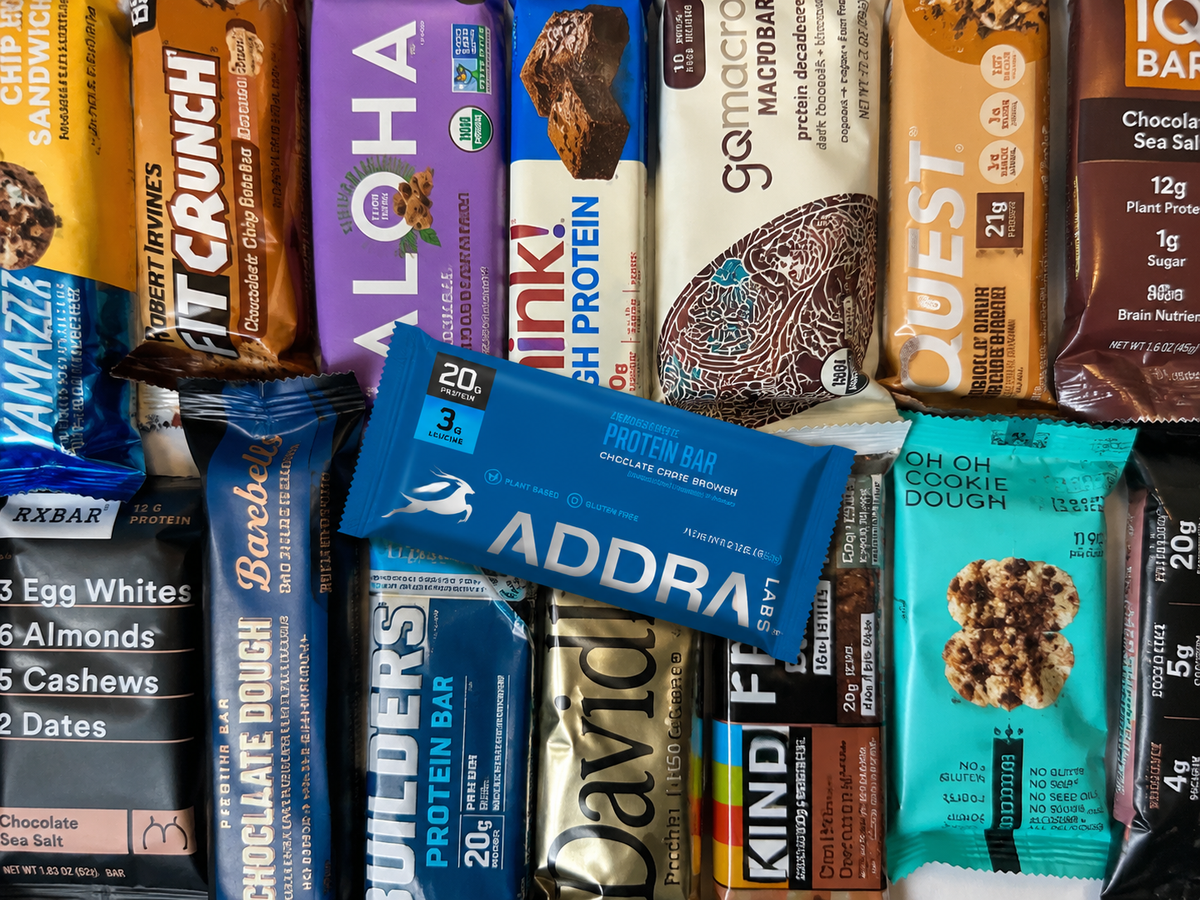
So, what about protein bars?
This is where some of the headlines have gotten ahead of the actual study.
The researchers did not test protein bars specifically.
Connecting the findings to protein bars is an extrapolation: because many bars fall into NOVA 4, the research suggests we shouldn't judge all of them solely by that classification.
And protein bars themselves can be wildly different.
One can provide substantial protein, some fiber and relatively little added sugar. Another can contain similar calories to a candy bar with a little protein sprinkled on top.
Same processing category. Very different food.
That's why the ingredient list and nutrition panel still matter.
What should you actually look for?
When Outside asked nutrition experts about choosing protein bars in light of the research, their recommendations were refreshingly practical: look for at least 10 grams of protein, some fiber, reasonable added sugar and an ingredient list that makes sense for what you're trying to accomplish.
For athletes, context matters too.
A higher-carbohydrate bar might make sense around a long training session. A higher-protein option might make more sense afterward. Sugar alcohols can reduce added sugar but may cause GI problems for some people — which makes race morning a particularly bad time to discover how your gut handles them.
And “20 grams of protein” isn't the end of the conversation. Protein source and quality matter, too.
Where does ADDRA fit?
ADDRA contains 20 grams of vegan protein per bar, along with fiber, and keeps added sugar below 10 grams.
More importantly, the point isn't that being NOVA 4 suddenly makes a protein bar “healthy.”
It's that NOVA 4 doesn't tell you enough to decide.
Processing level describes how a food was made. Nutritional quality tells you much more about what you're actually eating.
The bottom line
Ultra-processed isn't synonymous with unhealthy.
And minimally processed isn't synonymous with healthy.
The new Harvard research adds to an increasingly important distinction in nutrition science: processing is one characteristic of food, not a complete health verdict.
Look at the food itself. Look at the ingredients. Look at its nutrient profile. And, especially as an athlete, look at how that food fits into the rest of your diet and what you're asking it to do.
Because the label on the processing category tells only part of the story.